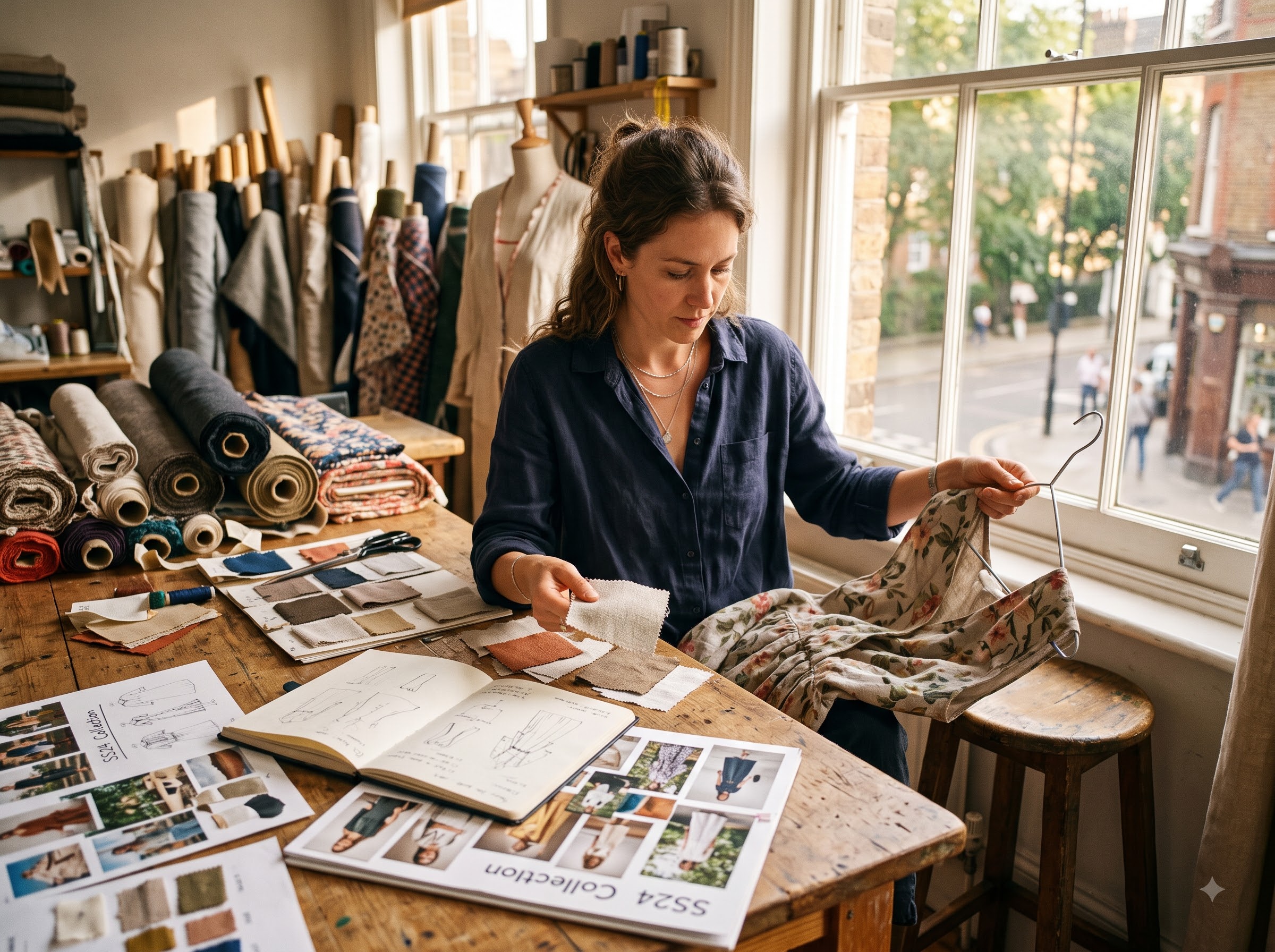
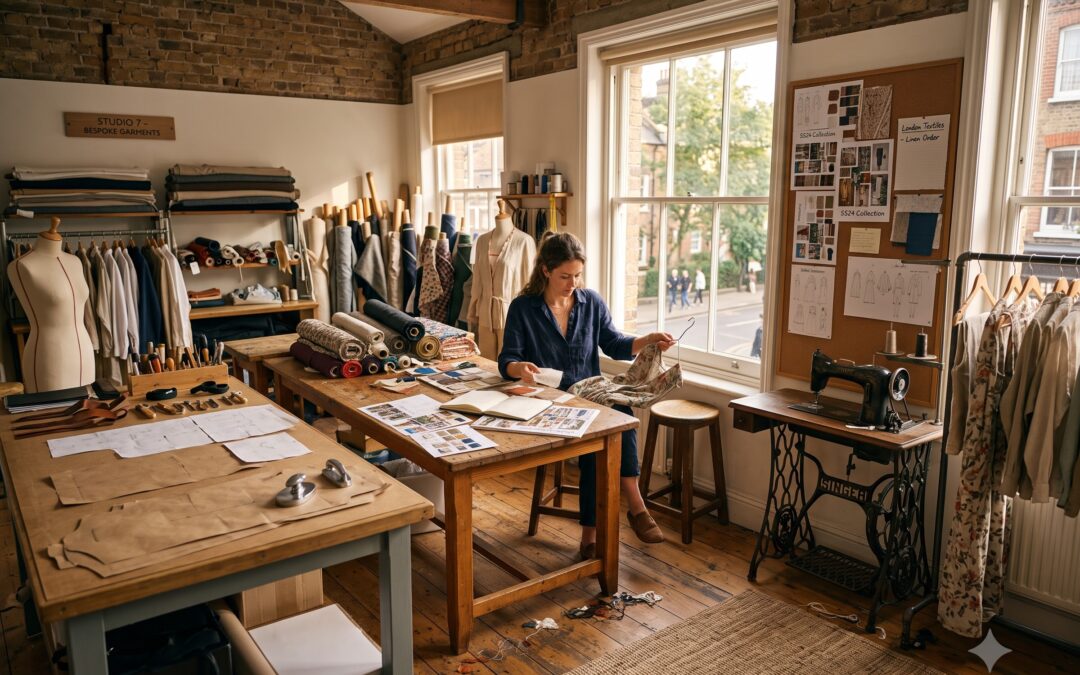
This blog is built to do something the first two don't — build trust through transparency rather than styling inspiration. It works best written in the boutique owner's own voice, first-person and candid, because the whole point is to pull back the curtain on a process customers never usually see. It should open with a small, honest admission: that before any piece ever makes it onto the racks, it's already survived a fairly rigorous internal filter, and most things that get pitched to the boutique never make the cut at all. From there, the post can walk through what that filter actually looks like in practice — starting with the physical quality check, where fabric weight, stitching density, and how a piece holds up after a few washes get evaluated by hand, not just by looking at a spec sheet. It should then move into fit and inclusivity, touching on how the owner thinks about sizing range and whether a cut will genuinely work on different body types, not just the sample size. A section on trend versus timelessness is worth including too, since it lets the owner talk about the tension between stocking what's currently popular and stocking what a customer will still love wearing two years from now.